World Military Weapon-v7 covers fortifications, field works and the static systems built to hold ground. The prompt frameworks cover bunkers, trenches, barriers, watchtowers and the defensive engineering that shapes a battlefield. Each block is written to produce a clear structural view where construction logic is visible, because fortifications are understood through how they are built and sited. You get prompts for cutaway sections showing interior layout, plan views showing fields of fire, and three-quarter views placing a structure in terrain. The kit includes guidance on rendering concrete, earthworks, sandbags and camouflage netting so materials read distinctly. Frameworks for layered defensive diagrams let you show depth and overlapping coverage. This volume suits military history and battlefield archaeology content, engineering education, model-making and any explainer about how terrain is turned into a defensive system.
World Military Weapon-v6 turns to support and logistics, the unglamorous systems that decide whether anything else works. The prompt frameworks cover transport trucks, fuel and water bowsers, field kitchens, medical vehicles and the supply chain that keeps a force moving. Each block is written to produce a clear vehicle or equipment view where function is obvious at a glance. You get prompts for profile and three-quarter views, cutaway sections showing cargo and crew areas, and detail studies of hitches, tarpaulins and loading equipment. The kit includes guidance on rendering canvas, painted steel and field wear so equipment looks used in real conditions. Frameworks for convoy and depot compositions place logistics in context. This volume suits military history and logistics content, engineering and supply chain education, model-making reference and any project that explains how large operations are actually sustained.
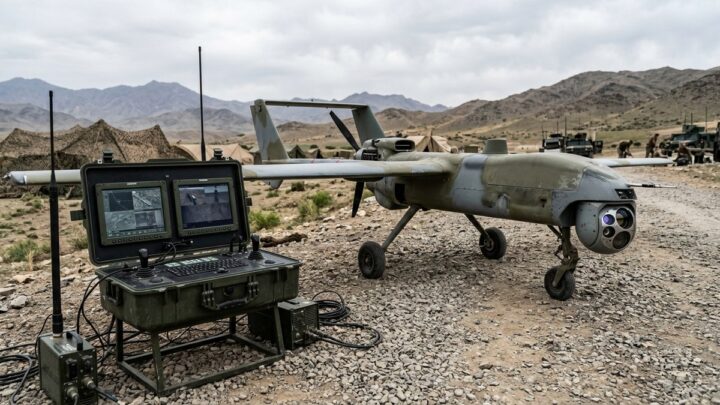
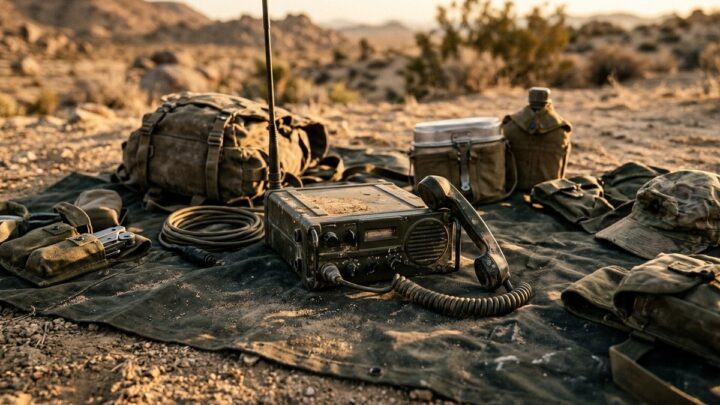
World Military Weapon-v5 covers the systems that see and communicate: radar, sensors, communications gear and command equipment. The prompt frameworks cover antenna arrays, radar dishes, optical sights, radios and the vehicle or mast installations that carry them. Each block is written to make function legible, so a viewer understands what a piece of equipment does rather than just how it looks. You get prompts for equipment detail studies, installation views showing a system mounted on a platform, and diagrammatic illustrations of detection coverage and signal paths. The kit includes guidance on rendering radomes, phased arrays and cable runs so technical detail reads correctly. Frameworks for coverage diagrams let you show range and field of view without relying on text. This volume suits technical and defence analysis content, engineering education, electronics reference and any explainer about how modern forces communicate and detect.
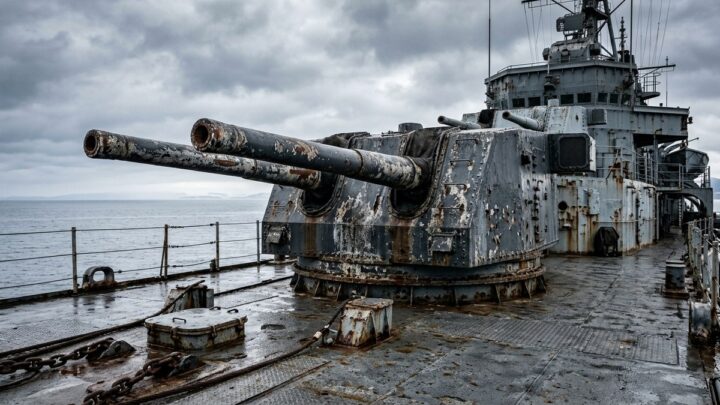
World Military Weapon-v4 moves to the maritime domain, covering the vessels and systems that operate at sea. The prompt frameworks cover surface combatants, submarines, support vessels and the sensor and weapon fittings that distinguish each class. Each block is written to produce a clear profile or three-quarter view where hull form and superstructure proportion are correct, since ships are read by silhouette. You get prompts for full-vessel views, cutaway sections showing internal compartmentation, and detail studies of bridges, masts and deck equipment. The kit includes guidance on rendering hull weathering, rust streaks and waterline detail so vessels look operational rather than newly launched. Frameworks for sea-state context place a ship in believable water and weather. This volume suits naval history content, maritime technical reference, model-making and educational material on naval architecture.
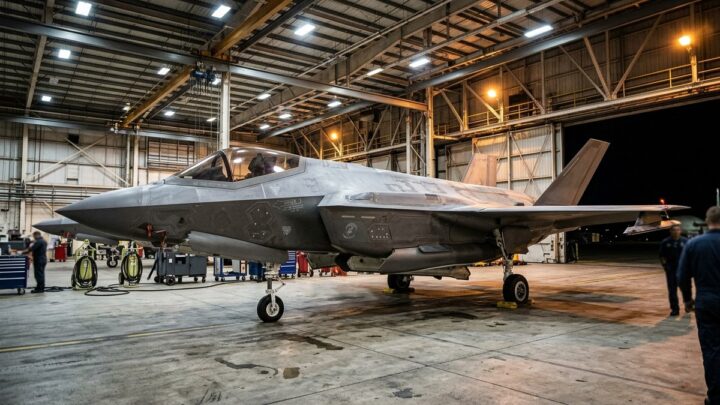
World Military Weapon-v3 turns to air power, covering the aircraft and systems that operate in the third dimension. The prompt frameworks cover fighter and transport airframes, rotary wing platforms, ordnance and the aerodynamic features that make each type recognisable. Each block is written to preserve planform and proportion, because aircraft are identified by wing shape and stance more than any other detail. You get prompts for profile, top-down and three-quarter views, cutaway sections showing internal systems, and detail studies of intakes, exhausts and undercarriage. The kit includes guidance on rendering bare metal, low-observable coatings and panel lines so surfaces read correctly. Frameworks for formation and context compositions place aircraft in a believable environment. This volume suits aviation and military history content, technical reference, model-making and game or film asset briefs.
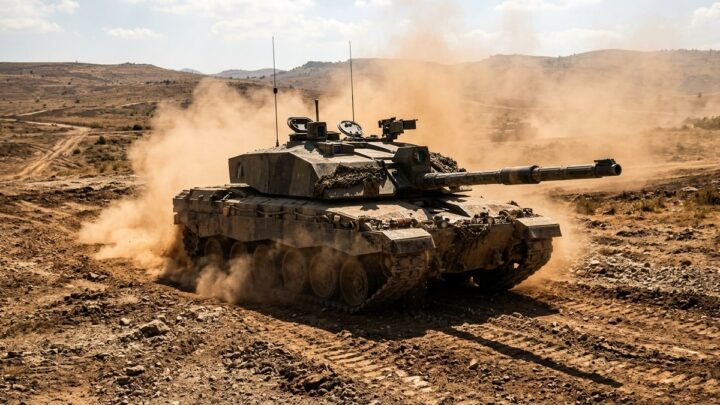
World Military Weapon-v2 moves from infantry equipment to armoured vehicles and the engineering that protects a crew. The prompt frameworks cover tank hulls, turrets, tracks, suspension and the layered armour that defines modern protection. Each block is written to produce a clear three-quarter or profile view where proportion and mechanical logic are correct, since armoured vehicles are recognised by silhouette and stance. You get prompts for full-vehicle views, cutaway sections showing crew compartments and armour layers, and detail studies of tracks, road wheels and turret fittings. The kit includes guidance on rendering weathered steel, dust, mud and track wear so vehicles look used rather than showroom-fresh. Frameworks for comparison panels let you place different vehicle classes side by side. This volume suits military history and technical content, model-making reference, game asset briefs and educational material on armoured vehicle design.
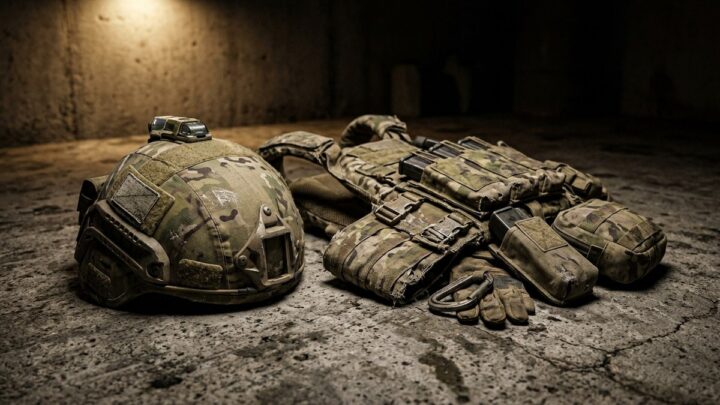
World Military Weapon-v1 opens an eight-part Creator Kit on military hardware, built for accurate, respectful visual reference. This first volume covers small arms and infantry equipment: rifles, sidearms, helmets, load-bearing gear and the components that make up a soldier's kit. Each block is written to preserve correct proportions and mechanical detail, because a reference illustration that gets the proportions wrong is worse than none. You get prompts for profile views, exploded assemblies showing internal mechanisms, and detail studies of sights, grips and furniture. The kit includes guidance on rendering metal, polymer and fabric so materials read distinctly. Frameworks for consistent lighting and neutral backgrounds let you build a unified reference library across the whole series. This kit suits military history content, technical reference material, game and film asset briefs, and educational explainers about the equipment itself rather than its use.
Virus & Diseases is a Creator Kit for explaining infection, immunity and public health without alarmism. The prompt frameworks cover viral structure, transmission routes, immune response and the prevention measures that interrupt spread. Each block is written to produce a clear scientific illustration where the biology is accurate and the message is legible, because health communication fails when the imagery frightens rather than informs. You get prompts for virus particle structure, cell entry sequences, immune cell interaction and transmission diagrams. The kit includes guidance on colour and tone, helping you keep a series calm and clinical rather than dramatic. Frameworks for comparison panels let you contrast different pathogens or prevention strategies. This kit suits public health communication, medical and biology education, news explainers and clinical patient material, and is designed to be accurate enough for professionals and clear enough for the general public.
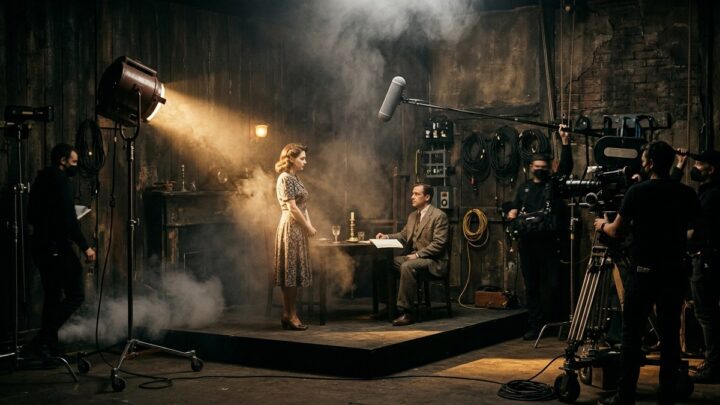
A Creator Kit built for serialised storytelling in a Filipino context. The prompt frameworks cover the visual grammar of drama: tense confrontations, emotional close-ups, domestic settings, and the charged moments that carry an episode. Each block is written with attention to framing, lighting and blocking, so the output reads as a scene from a series rather than a posed illustration. You get prompts for establishing shots, two-person confrontations, reaction close-ups and transitional compositions that can be cut into a sequence. The kit includes guidance on maintaining character and location continuity across episodes, which is essential for serialised content. Frameworks for emotional escalation help you build a visual arc across a season. Suits short-form drama production, storyboarding and social video series for Filipino audiences.
We use cookies to run the site, measure how it is used, and show advertising. Accepting turns on personalised ads and analytics; rejecting keeps them off. Either way the site works the same. Read our Privacy Policy.