An anatomy reference for explaining the body and separating real biology from popular misconception. The frameworks cover anatomical structure, physiological process and the myths that circulate around both, giving you the visual tools to show what is actually true. Each block is written to produce a clear, accurate illustration where structure is legible before detail, so a viewer can orient themselves before encountering complexity. You get prompts for skeletal, muscular and organ system views, cellular and molecular detail, process diagrams and side-by-side myth-versus-reality comparisons. The kit includes guidance on colour coding by system and on maintaining visual consistency across scales, from molecule to whole organism. Suits medical and biology education, health communication and science content that needs to be right.
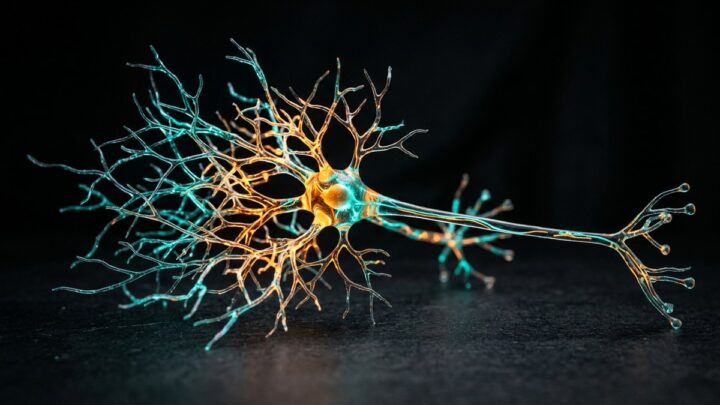
Human Neuroanatomy-v1 is a focused Creator Kit on the structure of the nervous system, built for explainers that need anatomical accuracy without clinical coldness. The prompt frameworks cover the brain's major regions, the spinal cord, peripheral nerves and the pathways that carry signals between them. Each block is written to produce a clear illustration where structure is legible before detail, so a viewer can orient themselves before encountering complexity. You get prompts for lateral and sagittal views, cross-sections, exploded diagrams separating functional systems, and neuron-level detail views. The kit includes guidance on colour coding by function, keeping motor, sensory and association areas visually distinct across a series. Frameworks for scale transitions let you move from whole brain to synapse within one visual language. This kit suits neuroscience and medical education, psychology content, student revision material and science communication aimed at a general audience.
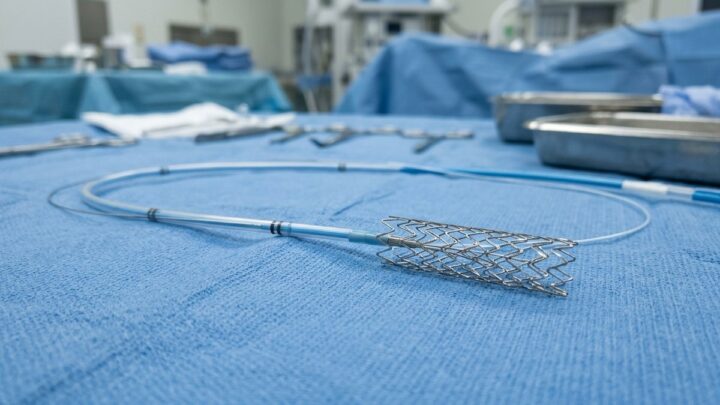
Coronary Stenting-v2 goes deeper into the clinical detail and the decision-making around the procedure. The prompt frameworks cover different stent types, restenosis, complications, and the imaging that guides intervention. Each block is written for an audience that already understands the basics, so the emphasis is on precision and comparison rather than introduction. You get prompts for side-by-side device comparisons, detailed arterial wall cross-sections showing plaque composition, and angiographic-style views that illustrate what a clinician actually sees. The kit includes guidance on rendering metallic mesh, polymer coatings and calcified plaque so materials are distinguishable. This volume suits medical education, cardiology training, continuing professional development and specialist patient communication, and pairs with the first volume for a complete pipeline from basic anatomy to advanced intervention.
Coronary Stenting-v1 is a Creator Kit for explaining one of modern medicine's most common procedures. The prompt frameworks cover the anatomy of the coronary arteries, the build-up of plaque, and the placement of a stent to restore blood flow. Each block is written to produce a clear medical illustration where the anatomy is correct and the procedure is legible step by step, because patient education depends on understanding rather than decoration. You get prompts for arterial cross-sections, catheter and balloon sequences, stent deployment views and before-and-after comparisons of a blocked versus restored vessel. The kit includes guidance on rendering the mesh structure of a stent and the layered wall of an artery so both read distinctly. This kit suits patient education, cardiology content, medical training material and health communication, and is designed to be accurate enough for clinicians and clear enough for patients.
Anatomy & Biology is the combined Creator Kit that brings the whole body and the life sciences into one framework. Where the individual volumes go deep on a single system, this kit is built for the connections between them: how the skeleton supports muscle, how circulation feeds tissue, how the nervous system coordinates it all. The prompt frameworks cover whole-body diagrams, system-interaction illustrations, cellular and molecular detail, and the biology that underlies everything from DNA to tissue repair. Each block is written to move between scales without losing visual consistency, so a single explainer can travel from a molecule to a full organism. You get prompts for comparison panels, process diagrams and layered cutaways. This kit suits biology and anatomy education, medical and health content, science communication and student revision material, and works as the umbrella reference for the whole anatomy series.
Human Anatomy-v3 completes the series with the internal organs and the systems that keep the body running. The prompt frameworks cover the cardiovascular, respiratory, digestive, nervous and endocrine systems, both individually and in their spatial relationship to one another. Each block is written to produce a clear cutaway or layered diagram where organ position and scale are correct, because a viewer learning anatomy needs to know what sits where, not just what each organ looks like. You get prompts for torso cutaways, system-isolated views that show one network at a time, and exploded diagrams that separate overlapping structures. The kit includes guidance on colour coding by system, so a multi-system diagram stays legible. This volume suits medical education, health explainers, biology curricula and clinical content, and completes a full anatomical reference when used alongside the skeletal and muscular volumes.
Human Anatomy-v2 moves from bone to muscle, covering the muscular system that produces every movement the body makes. The prompt frameworks cover superficial and deep muscle groups, muscle origins and insertions, and the layered arrangement that lets a viewer understand how movement actually happens. Each block is written to keep muscle groups visually distinct, using colour separation and directional fibre texture so a complex region stays readable. You get prompts for anterior, posterior and lateral views, exploded layers that peel back superficial muscle to reveal deeper structures, and dynamic poses that show muscles in action rather than at rest. This volume suits anatomy education, sports science, fitness coaching content and physiotherapy material, and pairs directly with the skeletal volume to build a complete musculoskeletal reference.
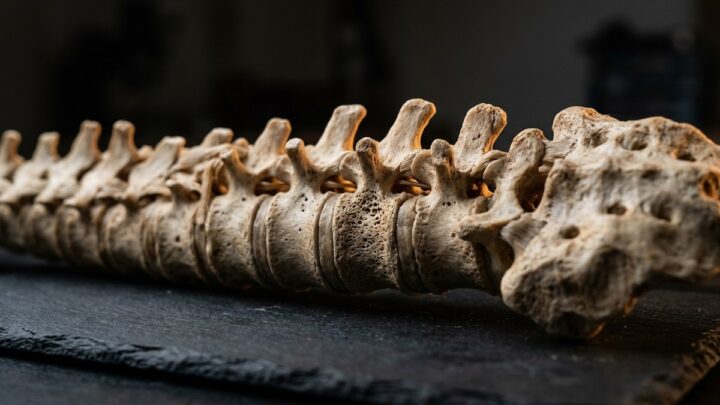
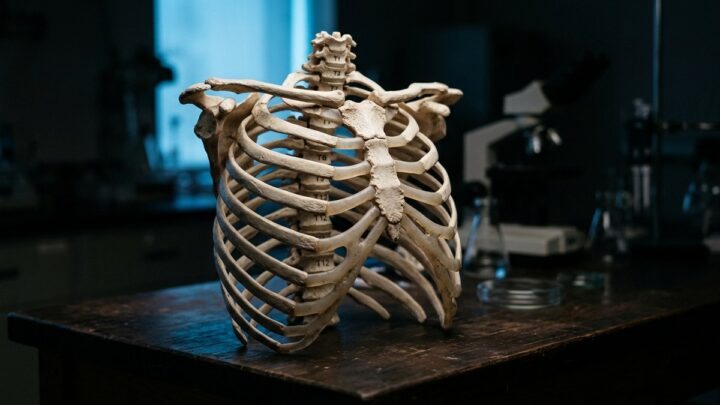
Human Anatomy-v1 begins a three-part series on the systems of the body, starting with the skeletal framework that holds everything else in place. The prompt frameworks cover the full skeleton, regional bone groups, joint structures and the way bones articulate with one another. Each block is written to preserve correct proportion and articulation, since an anatomically wrong skeleton undermines an entire explainer. You get prompts for anterior, posterior and lateral views, exploded diagrams that separate a joint into its components, and cutaway sections showing bone interior structure. The kit includes guidance on rendering bone surface, from the smooth shaft of a long bone to the porous texture of spongy interior. Frameworks for comparative views let you place a healthy joint beside a damaged one. No text is embedded in the images, so labels and terminology stay under your control. It forms the structural base for the muscular and organ volumes that follow.
Human Neuroanatomy is a Creator Kit for explaining the most complex structure we know of. The prompt frameworks cover the brain's major divisions, cortical regions, the limbic system, the cerebellum and the neural pathways that connect them. Each block is written to produce a clear anatomical illustration where structure is legible before detail, because a viewer who cannot identify the region will not follow the explanation. You get prompts for lateral and sagittal views, exploded diagrams that separate functional systems, and cross-sections that reveal internal anatomy. The kit includes guidance on colour coding by function, so motor, sensory and association areas stay visually distinct across a whole series. Frameworks for neuron-level detail let you zoom from whole-brain to cellular scale within one visual language. It is designed to be accurate enough for teaching and clear enough for a general audience encountering the subject for the first time.
We use cookies to run the site, measure how it is used, and show advertising. Accepting turns on personalised ads and analytics; rejecting keeps them off. Either way the site works the same. Read our Privacy Policy.