A Creator Kit for turning historic sites and landmarks into animated map documentaries. The prompt frameworks cover the world's most recognisable monuments, the civilisations that built them, and the geography that explains why they sit where they do. Each block is written to produce a scene where a real location is established first, then revealed through an orbital camera move, a highlighted region and an animated route, so the landmark's story is told spatially rather than as a list of dates. You get prompts for satellite establishing shots, cutaway and cross-section views, before-and-after reconstructions and comparison panels placing monuments side by side. The kit includes guidance on historical accuracy, on keeping architectural detail consistent across scenes, and on pacing an eleven-scene sequence for short-form video.
Historical Landmarks-v5 closes the series with the modern and contemporary world, where landmark buildings became statements as much as structures. The prompt frameworks cover iconic towers, museums, stadiums, memorials and the sculptural civic buildings that define a skyline today. Each block is written to handle the challenge of modern architecture: large glass surfaces, complex geometry and the way these buildings interact with light across a day. You get prompts for dramatic low-angle hero shots, clean elevation studies and aerial views that place a building in its urban context. The kit includes guidance on reflections, transparency and night lighting, which are what make contemporary architecture read as contemporary rather than generic. This volume suits architecture and design content, city and travel features, and any project that needs to explain why a modern building matters beyond its height.
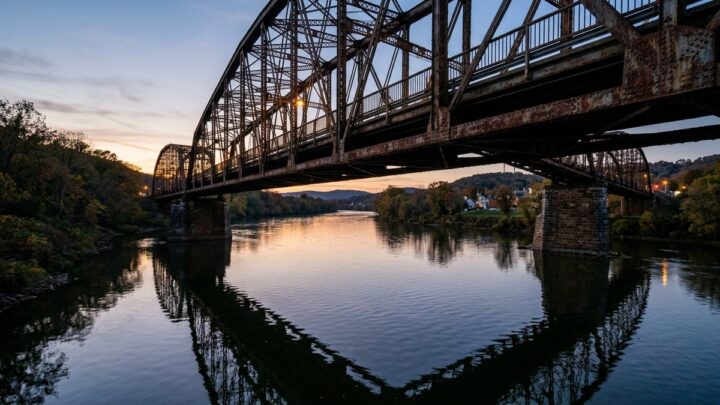
Historical Landmarks-v4 brings the series into the early modern and industrial era, when engineering began to outpace tradition. The prompt frameworks cover grand palaces, domed civic buildings, iron bridges, train stations and the first skyscrapers, capturing the moment architecture started to think in steel and glass. Each block is written to balance ornamental detail with structural clarity, so the images work both as beautiful illustrations and as explanations of how the building stands. You get prompts for street-level views, aerial perspectives and section drawings that reveal the new structural systems underneath the facade. The kit includes guidance on rendering iron, glass, brick and stone so materials read distinctly even in a limited palette. This kit suits architectural history content, urban development explainers, industrial heritage projects and any narrative that needs to show the moment the modern city began to take shape.
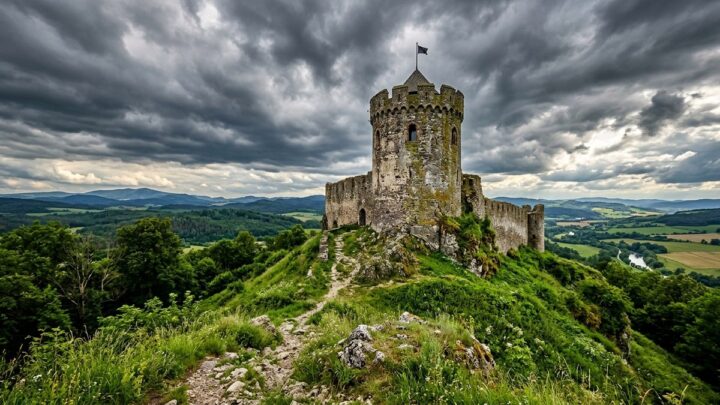
Historical Landmarks-v3 turns to the medieval period, where fortification and faith shaped the skyline. The prompt frameworks cover castles, cathedrals, monasteries, city walls and watchtowers, with each block written to capture the defensive logic and spiritual scale that define the era. You get prompts for elevation studies, dramatic three-quarter views and cutaway sections showing keeps, vaults and thick curtain walls. The kit pays particular attention to silhouette, since medieval architecture is most recognisable by its outline, and every block specifies how to keep that outline clean against the sky. Guidance on weathering, moss, timber and stone helps the buildings feel centuries old rather than freshly built. This volume is well suited to history channels, heritage and tourism content, fantasy worldbuilding references and educational material about how medieval societies organised defence, worship and daily life around these structures.
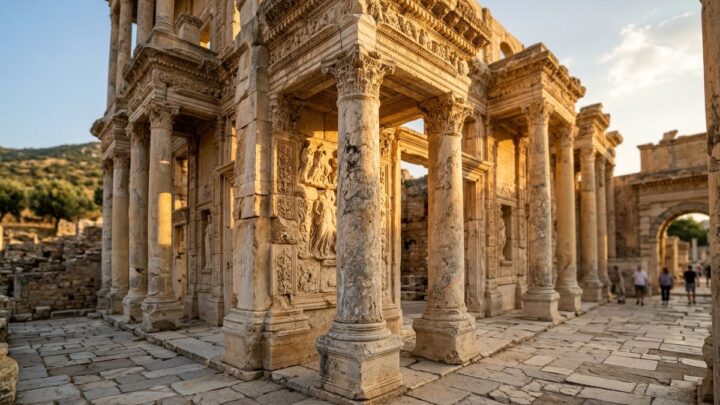
Historical Landmarks-v2 continues the series into the classical world, where proportion and engineering became the story. The prompt frameworks here cover columned temples, amphitheatres, aqueducts, forums and triumphal arches, with attention to the orders of architecture that make each one identifiable. Each block is written to preserve correct proportions, because a classical building rendered with the wrong column ratio immediately looks wrong to anyone who knows the subject. You get frameworks for elevation views, three-quarter hero shots and cutaway sections that reveal how the structure actually stands up. The kit includes prompts for ruins as well as intact buildings, with guidance on showing damage, missing elements and later reconstruction without confusing the viewer about what is original. This volume suits documentary explainers, architecture content, history curricula and any project that needs the classical world to look as impressive as it was.
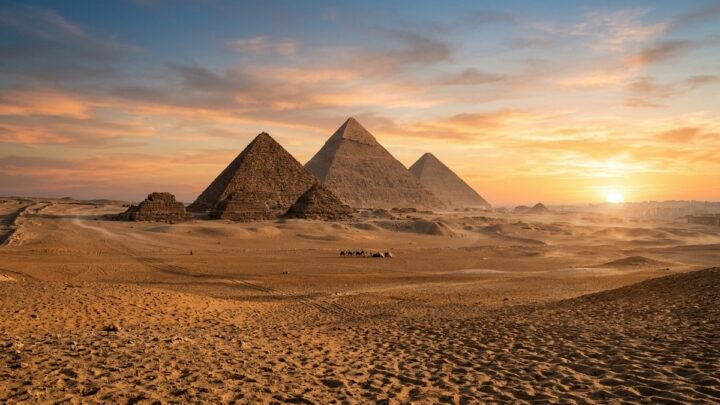
Historical Landmarks-v1 opens a five-part series on the buildings and monuments that define civilisations. This first volume focuses on the ancient world, with prompt frameworks for pyramids, ziggurats, temples and monumental gateways. Each block is written to produce a clean architectural silhouette that reads clearly at any size, which makes the output useful for timelines, comparison charts and title cards as well as hero illustrations. The prompts specify viewing angle, horizon height and lighting direction so a set of images feels like a coherent collection rather than a random assortment. You also get frameworks for cutaway and section views, letting you show structure and construction method alongside the exterior. Guidance on material rendering helps stone, mudbrick and painted plaster look distinct and believable. Use it as the foundation for the later volumes, which move through classical, medieval and modern landmarks while keeping the same compositional discipline.
We use cookies to run the site, measure how it is used, and show advertising. Accepting turns on personalised ads and analytics; rejecting keeps them off. Either way the site works the same. Read our Privacy Policy.