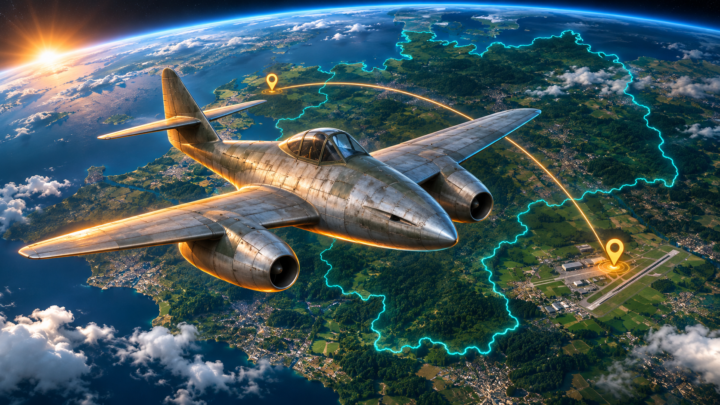
An eleven-scene framework for turning a single aircraft into a 77-second vertical documentary. Each scene pairs a real-world location with an orbital camera move, a highlighted country and an animated route, so the aircraft's origin story unfolds geographically rather than as a list of facts. The kit supplies image prompts, four-cut animation instructions, narration, sound design and transitions, plus a jet fighter origin database, satellite camera paths and motion-tracking notes. A fact-checking step is built into the framework, along with thumbnail concepts and publishing copy. Suited to aviation history channels, military technology education and faceless documentary production on Shorts, Reels and TikTok.
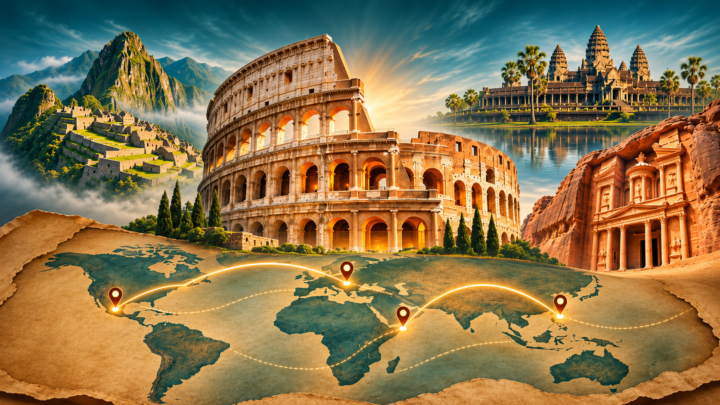
A Creator Kit for turning historic sites and landmarks into animated map documentaries. The prompt frameworks cover the world's most recognisable monuments, the civilisations that built them, and the geography that explains why they sit where they do. Each block is written to produce a scene where a real location is established first, then revealed through an orbital camera move, a highlighted region and an animated route, so the landmark's story is told spatially rather than as a list of dates. You get prompts for satellite establishing shots, cutaway and cross-section views, before-and-after reconstructions and comparison panels placing monuments side by side. The kit includes guidance on historical accuracy, on keeping architectural detail consistent across scenes, and on pacing an eleven-scene sequence for short-form video.
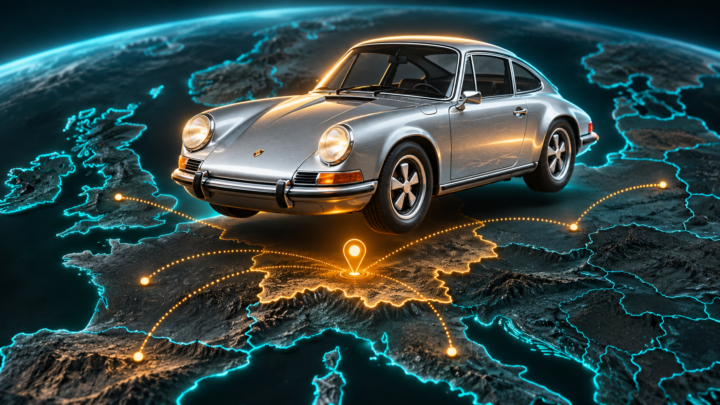
An eleven-scene framework for telling the story of a legendary sports car through animated maps rather than a spec sheet. Each scene locates a marque in the country and factory where it was built, introduces the designers behind it, and separates documented history from the myths that accumulate around famous models. The kit supplies image prompts, four-cut animation instructions, narration, sound design and transitions, along with geographic map data, camera-movement notes and guidance on keeping 3D car models consistent across scenes. Thumbnail concepts and publishing copy are included. Suited to automotive history channels, educational documentary work and faceless creators producing for Shorts, Reels and TikTok.
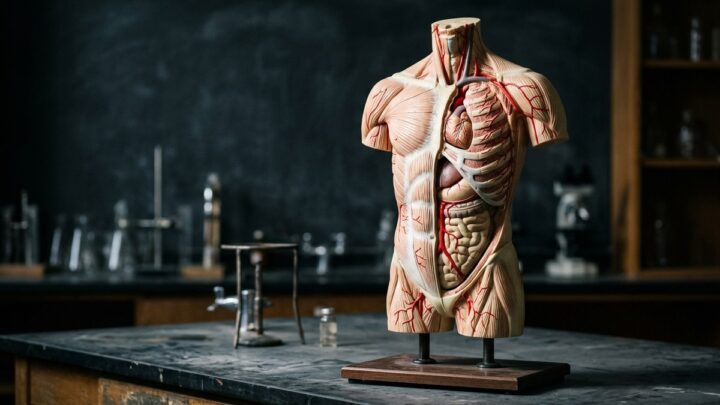
An anatomy reference for explaining the body and separating real biology from popular misconception. The frameworks cover anatomical structure, physiological process and the myths that circulate around both, giving you the visual tools to show what is actually true. Each block is written to produce a clear, accurate illustration where structure is legible before detail, so a viewer can orient themselves before encountering complexity. You get prompts for skeletal, muscular and organ system views, cellular and molecular detail, process diagrams and side-by-side myth-versus-reality comparisons. The kit includes guidance on colour coding by system and on maintaining visual consistency across scales, from molecule to whole organism. Suits medical and biology education, health communication and science content that needs to be right.
Prepare a science-history explainer that separates a widely repeated legend from what the evidence actually supports. The framework walks you through choosing one claim, building a source-backed claim sheet with dated references, and writing a scene-by-scene brief that shows the popular version first and then the documented version beside it. It includes a fictional storyboard exercise so you can rehearse the structure before committing to a real topic, explicit checks for AI-generated reconstructions and diagrams so nothing invented is presented as a photograph, and guidance on wording uncertainty honestly instead of overstating a result. You also get narration prompts written to be read aloud, a shot list for animated maps and comparison graphics, and a free downloadable PDF creator kit with the full prompt set. Built for documentary-style and short-form vertical video in English or Filipino, and written for creators who would rather be accurate than dramatic.
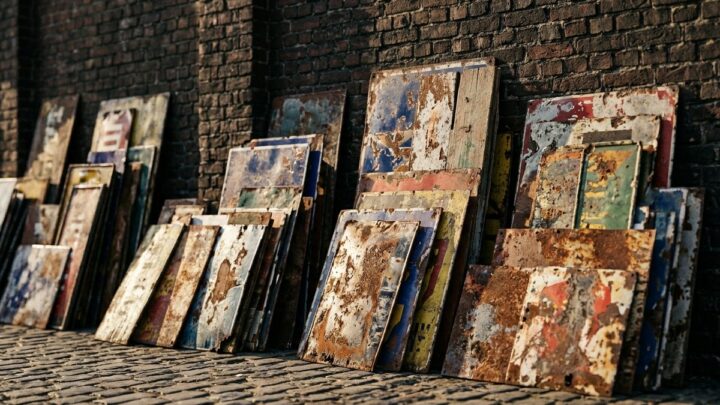
Plan a logo-history explainer that traces how a mark changed over time and why. The framework starts with a dated reference sheet: every logo version you intend to show, the year it appeared, and the source you took it from, so the timeline on screen is defensible rather than remembered. From there it builds a scene-by-scene brief with side-by-side visual comparisons, close-up detail shots, and a narration script that explains the design decision behind each change instead of just listing dates. It includes a fictional bakery exercise so you can practise the structure on a brand that does not exist, explicit checks for AI-generated artwork so a redrawn logo is never passed off as the real one, trademark and fair-use notes for showing third-party marks, and a free downloadable PDF creator kit with the complete prompt set. Suited to documentary-style and short-form vertical video, in English or Filipino, for creators covering design, branding and business history.
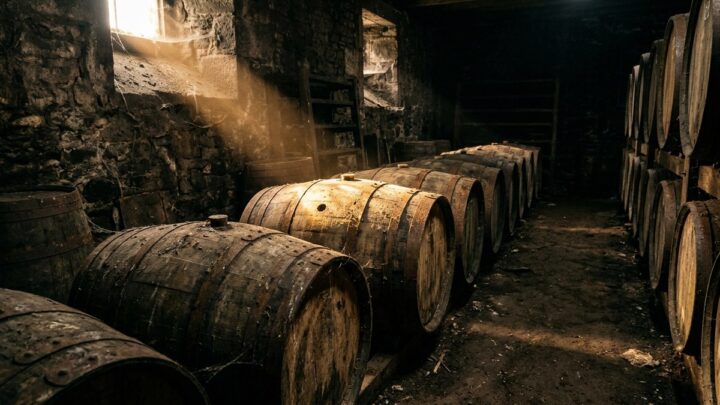
Liquor History-Advance Prompt Creator Kit is the complete advanced reference for spirits content, tracing the craft and history behind what people drink. The prompt frameworks cover historical production methods, distillation equipment, barrel aging and the material culture of drinking across eras and regions. Each block is written with layered instruction, letting you control period, setting, lighting and material independently. You get prompts for historical distillery scenes, barrel cellar compositions, vintage bottle and glassware studies, and process diagrams showing each distillation stage. The kit includes guidance on rendering aged glass, oak, copper stills and paper labels so materials read authentically rather than generically. This kit suits spirits and beverage history content, distillery and hospitality marketing, documentary features and any project that needs drink culture to look researched.
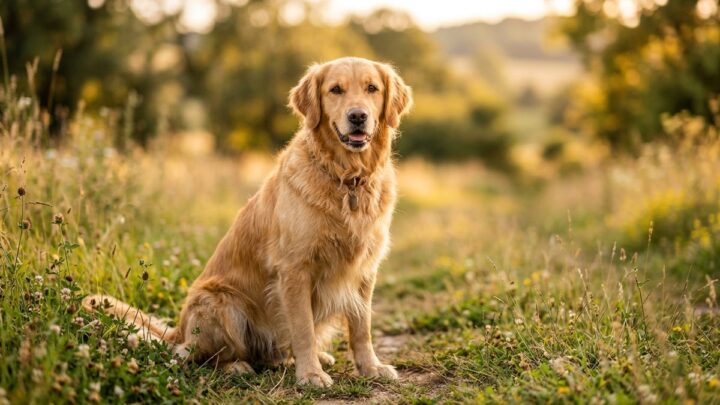
Dog Breed-Advance Prompt Creator Kit is the complete advanced reference for canine illustration, built for accuracy rather than generic appeal. The prompt frameworks cover skeletal structure, muscle conformation, coat genetics, skull shape and the fine distinctions between related breeds. Each block is written with layered instruction so you can adjust one variable at a time while keeping the composition stable. You get prompts for detailed head studies, full-body anatomical views, coat and colour pattern breakdowns, and comparison grids across a breed group. The kit includes guidance on ear carriage, muzzle length, paw structure, tail set and gait, the features that actually define a breed. Frameworks for consistent series output let you build a unified reference library. This kit suits advanced pet content, veterinary and breeding education, conformation and show material, and professional illustration work that needs real anatomical fidelity across a whole series.
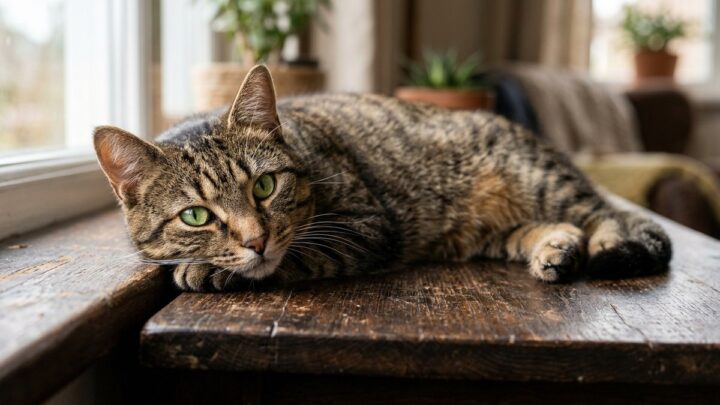
Cat Breed-Advance Prompt Creator Kit is the complete advanced reference for feline illustration, combining identification accuracy with genuine anatomical depth. The prompt frameworks cover skeletal and muscular structure, coat genetics, facial geometry and the subtle traits that separate closely related breeds. Each block is written with layered instruction so you can isolate and adjust a single variable without disturbing the rest of the composition. You get prompts for detailed head studies, full-body anatomical views, coat pattern breakdowns and comparison grids across a breed family. The kit includes guidance on eye structure, whisker placement, paw anatomy and tail carriage, the details that decide whether an image reads as correct to someone who knows cats. Frameworks for consistent series output let you build a reference library that holds together visually. This kit suits advanced pet content, veterinary and breeding education, and professional illustration work.
We use cookies to run the site, measure how it is used, and show advertising. Accepting turns on personalised ads and analytics; rejecting keeps them off. Either way the site works the same. Read our Privacy Policy.